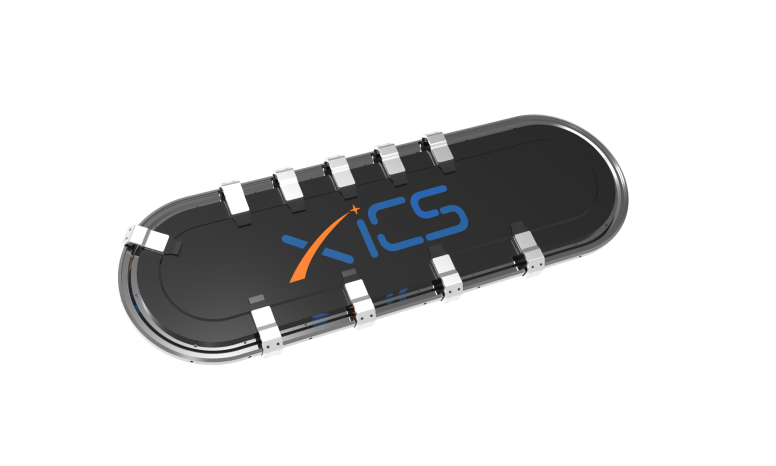
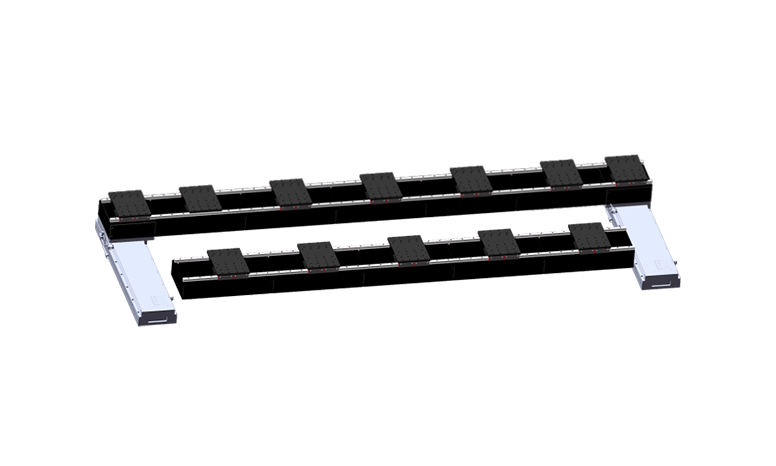
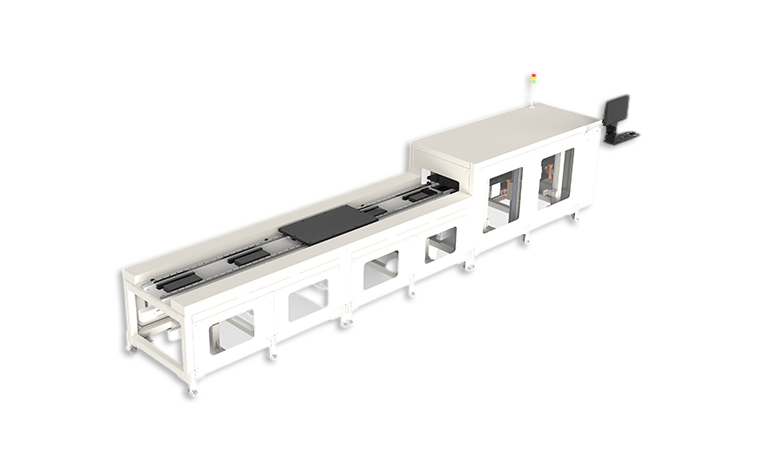
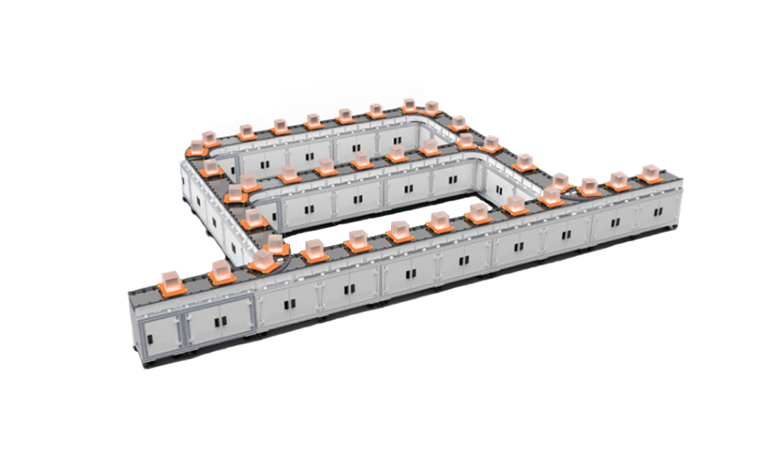
Magnetic Drive Conveyor and Magnetic Levitation Conveyor are two different types of Conveyor systems, and their main differences lie in their working principles and application methods:
Magnetic Drive Conveyor:
Working principle: The magnetic drive conveyor line transmits power by using magnetic force. Usually, it adopts the contact between magnetic rollers and the conveyed items, and drives the items to move on the conveyor line through magnetic force. Magnetic rollers are usually embedded at the bottom of the conveyor line and come into contact with the conveyed items to transmit power.
Features: Magnetic drive conveyor lines have the characteristics of few mechanical transmission components, wear resistance and low maintenance. It is usually used to replace most traditional conveyor lines, such as in general manufacturing, food processing industries, etc.
Magnetic Levitation (Conveyor) :
Working principle: The magnetic levitation conveyor line adopts magnetic levitation technology. Through the effect of the magnetic field, the conveyed items are suspended on the conveyor line without any contact. Magnetic levitation systems are usually used to maintain the suspended state of objects, eliminating the need for objects to come into contact with the conveyor line and thus eliminating friction and wear.
Features: The magnetic levitation conveyor line has the characteristics of non-contact, low energy consumption and high precision. It is typically used in situations where there are high requirements for the stability and precision of the conveyed items, such as medical liquid agents, which need a dust-free environment.
In summary, there are obvious differences between magnetic drive conveyor lines and magnetic levitation conveyor lines in terms of working principles, application scenarios and requirements. The selection of the appropriate type of conveyor line usually depends on the specific application requirements and needs.